The 15-Day Drive That Crosses Three Japans, and the One Detail That Decides Whether It Works
By Samurai Cmapers · Pickup: Tokyo branch · Return: Tokyo branch · Last driven: January 2026 · Reviewed: March 2026
There is a small thing nobody tells you about driving across Honshu from coast to coast: the country has two completely separate climates, and they’re divided by a mountain range. The Pacific side Tokyo, Kamakura, Izu, Shizuoka has dry winters, warm summers, the weather most foreign visitors associate with Japan. The Sea of Japan side Kanazawa, Fukui, Niigata has the heaviest snowfall of any inhabited region on Earth. Niigata’s coastal stations average over 200 snow days in a hard winter. Tokyo averages fewer than 10.
This 15-day route makes that contrast the trip’s main idea, instead of an inconvenience. You drive from one climate zone to the other, through the mountains that separate them, and back. The landscape, food, building styles, and even the rhythm of daily life shift visibly across the country. If you’re planning a Japan road trip and want to see why people argue ‘Japan’ is actually three or four different countries, this is the route.
Pickup and return at our Tokyo branch. The camper van cost guide for Japan has rough budget numbers if you’re still in the planning stage.
- Answer box coast-to-coast Japan campervan route
A coast-to-coast Honshu campervan route from Tokyo to the Sea of Japan and back works well in 14–16 days. The route crosses the Japan Alps via Matsumoto and Takayama. The most scenic versions return via Kanazawa and the Hokuriku coast rather than retracing the inland route.
The three zones, and why they actually matter
Zone 1 Pacific coast
Tokyo, Kamakura, Shonan, Izu, Suruga Bay, Shizuoka. Ocean air. Mount Fuji visible from sea level on clear days. Mild winter, humid summer. The Japan most foreign visitors recognise.
Zone 2 Central mountain interior
Fuji Five Lakes, Kofu, Yatsugatake, Matsumoto, Kamikochi access, Takayama. Elevation 500–1,600 m. Temperatures drop 10°C or more between Tokyo and Takayama on the same day in October. Snow is possible from mid-October onward. This is the hardest driving section of the route.
Zone 3 Sea of Japan side
Toyama Bay, Kanazawa, Fukui, Echizen. Heavy snowfall in winter the geography traps moisture coming off the Sea of Japan against the mountains. Food culture leans toward seafood and pickling. Architecture features heavy snow-shedding roof designs (the same engineering logic as Shirakawa-go’s gassho-zukuri houses).
- Climate fact
The Sea of Japan side and the Pacific side have such different winters that Japanese weather forecasters treat them as separate regions. Niigata coastal stations can record 4–5 metres of cumulative winter snowfall. Tokyo, on the other side of the same mountain range, sometimes records zero.
Route at a glance
Tokyo → Kamakura → Shonan → Izu / Suruga Bay → Fuji Five Lakes → Kofu → Yatsugatake → Matsumoto → Kamikochi → Takayama → Toyama Bay → Kanazawa → Echizen Coast → Lake Biwa → Kiso Valley → Shizuoka → Tokyo
- Duration: 15 days, circular from Tokyo
- Best season: Late April to late June, or late September to early November. Avoid Sea of Japan side November–March unless you specifically want winter coast.
- Recommended vehicle:
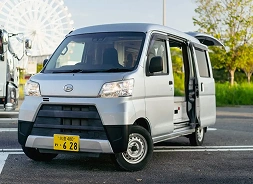
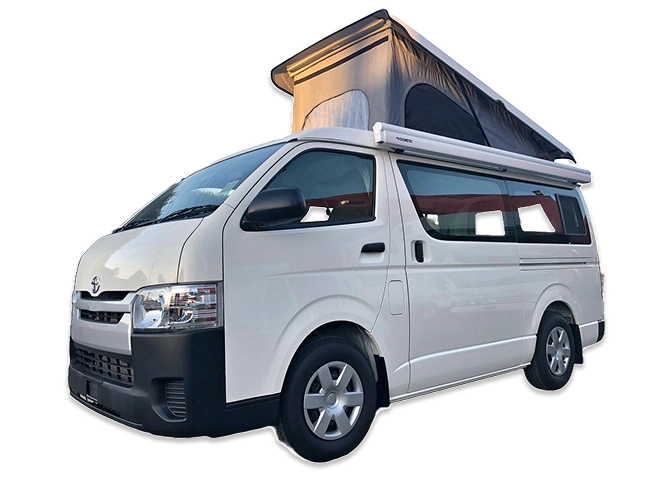
- Mini Campervans:Ideal for Tokyo, Shonan, Kamakura, and narrow streets
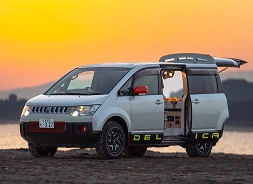
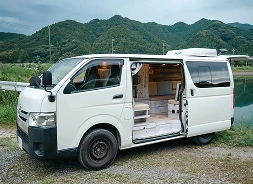
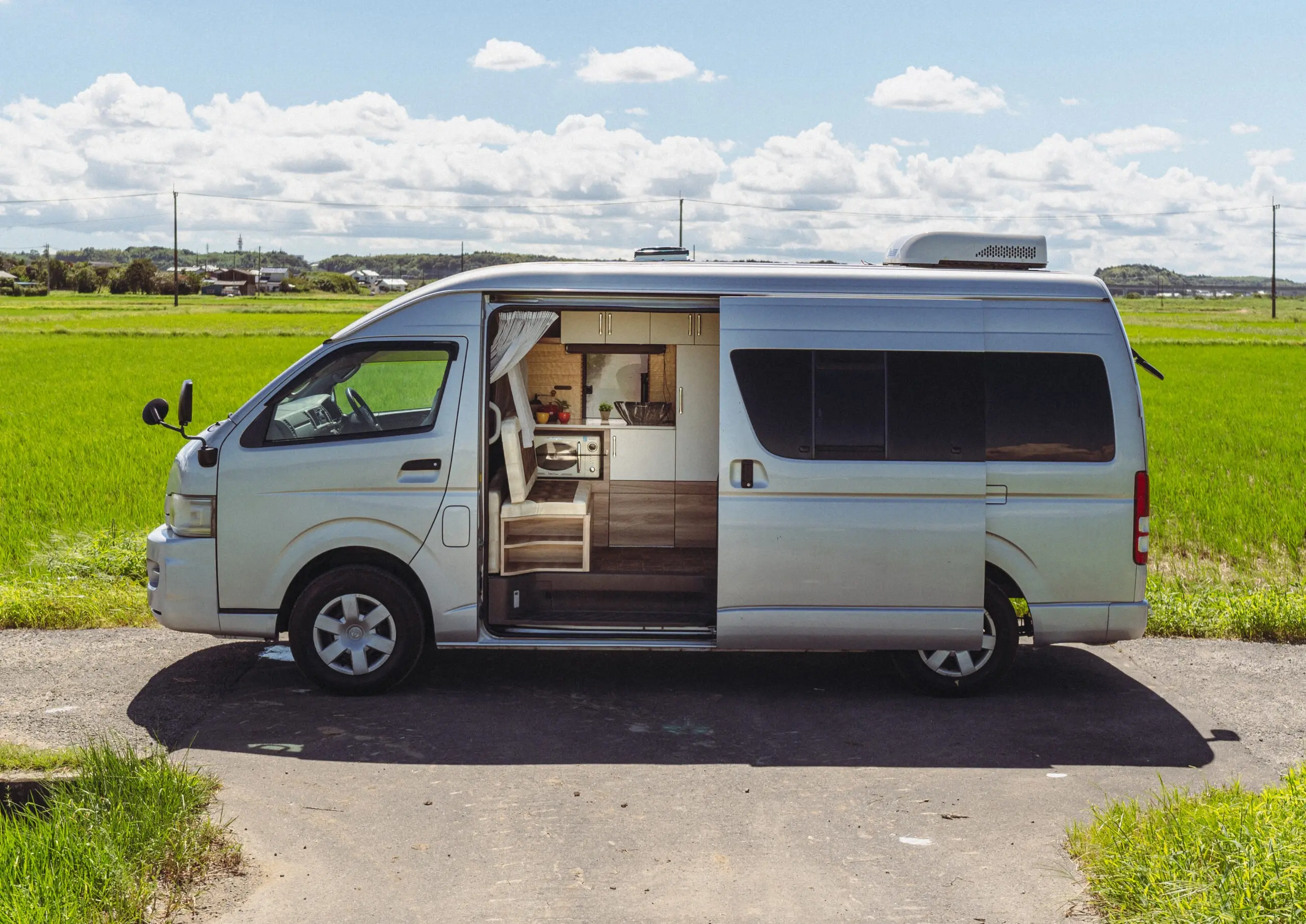
- Mid-Size Campervans:Best for mountain roads, Kofu, Yatsugatake, and Fuji Five Lakes
Mini Campervans | Mid-Size Campervans
- Hardest section: Matsumoto to Takayama (Day 7–8). Mountain roads, altitude, possible snow even in shoulder seasons.
 Road trip map
Tokyo pickup, Tokyo Bay overnight
Collect from the Tokyo branch. First-day setup as usual. Don’t try to do sightseeing that’s tomorrow.
Day 1 overnight: Odaiba Seaside Park Campground ¥3,000/nigh
Drive southwest. Kamakura is the first real day. The temples are walkable from each other; the Great Buddha (Kotoku-in) is the headline; Tsurugaoka Hachimangu is the political-historical centre this was Japan’s effective capital from 1185 to 1333. Park outside the temple districts and walk.
Day 2 overnight: Shonan Coast RV Park ¥4,200/night
Kamakura and Shonan
Izu edge and Suruga Bay
Move along the Pacific coast toward Numazu and the Suruga Bay area. On a clear day, the view of Mount Fuji from across Suruga Bay is one of the best you’ll get at sea level the mountain rises directly from the coastal plain, with no foothills in between.
Suruga Bay is also Japan’s deepest bay (2,500 m at the deepest point), which is why the sea life here is unusual deep-sea species like sakura ebi and aka-ebi are caught nowhere else commercially. The seafood markets at Numazu and Yui are worth a long lunch.
Day 3 overnight: Suruga Bay Campground ¥3,900/night
The first climate shift. Drive inland and you’ll feel the temperature drop within an hour. The Fuji Five Lakes sit at 800–900 metres elevation, surrounded by forest. Nights are cool even in summer.
Use the Mount Fuji tour guide for specific viewpoint and parking notes. Don’t plan around photography Mount Fuji is visible on only about a third of days in summer.
Day 4 overnight: Kawaguchiko Lakeside Campground ¥3,800/night
Inland to Fuji Five Lakes
Kofu, Yatsugatake highlands
Kofu
Continue inland through Yamanashi Prefecture. Kofu is the prefectural capital and a wine region Yamanashi grapes (Koshu variety, in particular) have been cultivated here since the 8th century. The Koshu wine industry is small but interesting.
Yatsugatake is the highland section. Volcanic peaks, mountain basins, agricultural villages at altitude. The climate change continues by evening you’ll want layers you didn’t need at the coast.
Day 5 overnight: Yatsugatake RV Park / Kofu Area Campground ¥4,200/night
The Japan Alps base. Matsumoto Castle is one of five original castles in Japan (never destroyed and rebuilt). The black exterior gives it the local name ‘Crow Castle.’ One hour for the castle itself, more if you want to walk the moat and the old castle town.
Use Matsumoto as a logistics stop. Restock, do laundry, check weather forecasts for the mountain section ahead. The next two days are the hardest driving on the route.
Day 6 overnight: Matsumoto RV Park ¥4,300/night
Matsumoto
Kamikochi access and Hirayu
Kamikochi is closed to private vehicles year-round. Park at Sawando or Hirayu and take the shuttle bus about 30 minutes. The valley itself is the Japan Alps’ most famous walking area, sitting at 1,500 m surrounded by 3,000 m peaks.
The Hirayu Onsen area, on the western side, has some of the better onsen options on the route. Worth an evening soak.
- Hakone book-ahead warning
This is the day the route earns its name. You drive from the alpine interior, through Takayama, down toward Toyama Bay. The landscape shifts from inland mountain culture to Sea of Japan coast within about three hours of driving. Food culture changes. Architecture changes. The light, oddly, changes too the Sea of Japan side has a different sky.
If you’ve never driven from one side of Japan to the other in a single day, you’ll feel the country actually contains more than one country.
Takayama itself deserves a few hours old streets, morning market, Hida beef. Don’t skip it just because you’re in a hurry to reach the coast. Then continue north toward Toyama. Plan to arrive in daylight.
Day 8 overnight: Toyama Bay Camper Park ¥4,200/night
Takayama to Toyama Bay: the route's hinge
Toyama Bay
Toyama Bay’s signature catches are firefly squid (hotaru-ika, in season March–May) and white shrimp (shiroebi, only commercially harvested in Toyama Bay). If you’re here in firefly squid season, the bioluminescent shoals at night are genuinely strange. Toyama also has its own ramen variant Toyama black ramen, made with a heavy soy base.
Where to eat:
- Firefly squid (hotaru-ika) and white shrimp (shiroebi).
- Try Toyama Sushi-ya Shiroebi Kaisendon specialty
Day 9 overnight: Toyama City RV Park / Himi Campground ¥4,100/night
Kanazawa is one of Japan’s most complete traditional cities it escaped both Tokyo’s modernisation push and the WWII bombings. Kenroku-en garden is the headline, but the Higashi Chaya district (preserved geisha quarter), the Omicho fish market, and the Nagamachi samurai district are all walkable from the centre.
This is a walking city. Park at a peripheral lot and don’t try to drive the centre. Kanazawa’s old streets were laid out before cars, and they still feel like it.
Day 10 overnight: Kanazawa Castle RV Park ¥4,500/night
Kanazawa
Fukui and the Echizen coast
Inland to Lake Biwa
Turn inland toward Lake Biwa, Japan’s largest freshwater lake. This starts the return across central Honshu. Lake Biwa is a useful staging point quiet campgrounds, restocking options, and the option to add a Kyoto edge day if you want one.
Don’t drive a campervan through central Kyoto. The Japan driving guide has notes on city parking.
Day 12 overnight: Lake Biwa Riverside Campground ¥4,000/night
Kiso Valley and Nakasendo post towns
Drive into the Kiso Valley for the historic inland return. Tsumago and Magome are the two best-preserved post towns on the old Nakasendo highway the inland alternative to the Tokaido. They’re connected by a 9 km walking path through the mountains that’s been a tourist route since at least the 1970s. Most people walk one direction and take the bus back.
Tsumago does not allow cars on its main street during daytime. Park at the designated lots outside the preservation zone and walk.
Day 13 overnight: Kiso Valley RV Park ¥4,300/night
Return to Shizuoka, Pacific side again
Drive back toward the Pacific. The climate loop closes you’re back in the dry, mild zone you started in. If the weather is clear, you’ll get final Mount Fuji views from the Shizuoka-side roads.
Use this day to wind down. Clean the vehicle. Restock for the final day.
Day 14 overnight: Shizuoka Lakeview Campground ¥4,100/night
Return to Tokyo
Final drive. The Tomei expressway from Shizuoka back to Tokyo is straightforward but plan for traffic the approach into Tokyo on a Sunday afternoon can add an hour.
Return to our Tokyo branch with buffer time for inspection.
Journey Japan Your Way, Stop Anywhere
Pickup and return at our Tokyo branch. Mid-size models handle the mountain section better than the larger rigs. Browse the fleet, or contact us for route-specific advice.
By Samurai Cmapers · Pickup: Tokyo branch · Return: Tokyo branch · Last driven: January 2026 · Reviewed: March 2026
Have Questions?
Coast-to-Coast Japan Road Trip Questions Answered
Is Kanazawa worth visiting in winter?
Yes, but plan for snow. Kanazawa is beautiful under snow Kenroku-en in particular has a winter aesthetic that’s part of why the garden is famous. But mountain roads toward Takayama or Shirakawa-go can require chains or close entirely. Check road conditions before driving inland.
Can I add Tateyama Kurobe to this route?
Yes, but only as a separate transit day from Toyama or Matsumoto. The Alpine Route uses public transport you cannot drive across it. Plan an extra day and an early start.
How long do you need for this Tokyo to Sea of Japan campervan route?
Fifteen days fits it well. Fourteen can work if you keep the pace tight, and 16 gives you more breathing room for weather, mountain driving, and longer stops in places like Kanazawa or Takayama. Anything much shorter starts to turn the route into a checklist.
What's the one detail that decides whether this route works?
Season matters most. Late April to late June, and late September to early November, are the safest windows for a comfortable run across Honshu, especially once you hit the mountain section between Matsumoto and Takayama. In winter, the Sea of Japan side gets heavy snow, and the same roads can need chains or close outright.
What size campervan is best for this itinerary?
A mid-size campervan is the better all-round choice if you want the mountain section to feel manageable. A mini campervan is easier in Tokyo, Kamakura, and other narrow streets, but it gives up some comfort on the longer drives. If your group is small and you care more about city access than space, the mini can make sense.
Can you drive into Kamikochi?
You can’t drive private vehicles into Kamikochi. Park at Sawando or Hirayu, then use the shuttle bus for the valley. That’s a normal part of the trip, not a problem with the route.
Can you add Tateyama Kurobe to the route?
You can, but not as a drive across the Alpine Route. Tateyama Kurobe uses public transport, so it has to be treated as a separate transit day from Toyama or Matsumoto. If you want it included, budget an extra day and start early.
Is Kanazawa worth it in winter?
It is, if you’re ready for snow and shorter days. Kanazawa handles winter travel better than the mountain roads leading into it, but the real issue is getting there safely from the Takayama side. If the forecast looks rough, keep your route flexible and don’t force the pass.
14-day campervan route through Japan's best street food districts. Ends in Dotonbori by design.
A 16-day Tokyo circuit built around Koyasan, Kumano Kodo, and Ise Japan's deepest sacred trail.
21 days by campervan through Tohoku and Hokkaido. Honest about the distances. Worth every kilometre.